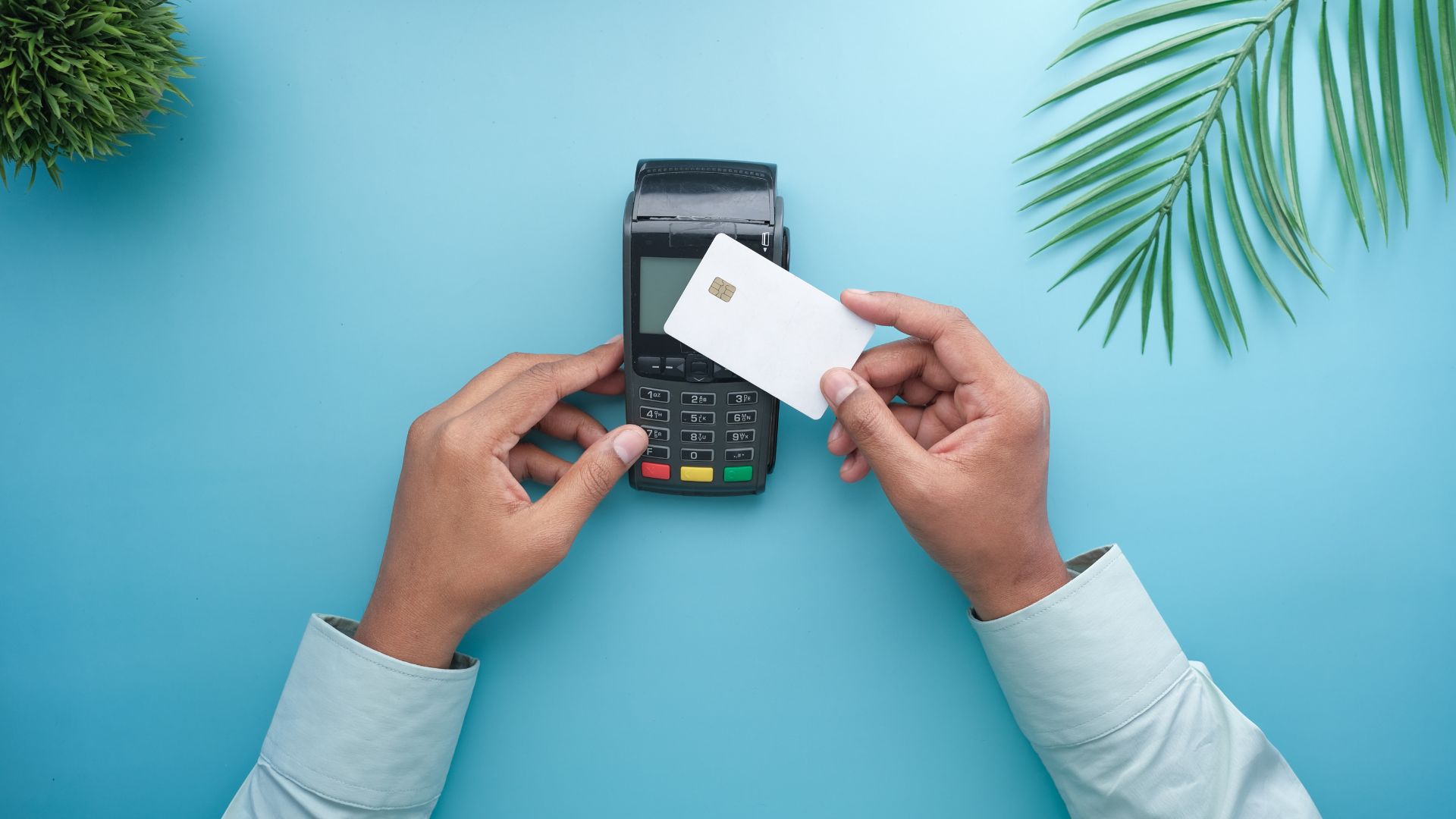
A virtual card enables users in Russia to access global platforms securely. It generates temporary card numbers linked to bank accounts, enhancing online transaction safety while maintaining user anonymity. The card is useful for cross-border purchases, subscriptions, and online shopping on restricted websites. Users can set spending limits, manage multiple currencies, and ensure additional security through measures like two-factor authentication. For comprehensive insights on obtaining and effectively managing a virtual card, further exploration is recommended.
Understanding Virtual Cards: Functionality and Use Cases
Virtual cards have gained significant traction in recent years due to their convenience and security features.
These digital payment methods allow users to generate temporary card numbers that can be used for online transactions, minimizing the risk of fraud. Virtual cards are linked to a user’s primary bank account or credit card but do not expose sensitive information during transactions.
They are particularly useful for subscriptions, online shopping, and international purchases, enabling individuals to manage their spending efficiently.
Additionally, many virtual card providers offer features such as spending limits and expiration dates, adding layers of control.
The Need for Virtual Cards in Russia
As the digital economy in Russia expands, the demand for secure payment methods has become increasingly critical. Virtual cards offer a solution, providing enhanced security and convenience for users.
The need for these cards is underscored by several factors:
- Online Security: Virtual cards generate unique numbers for each transaction, minimizing fraud risk.
- Access to Global Markets: They enable users to transact on international platforms often restricted due to regional limitations.
- Privacy Protection: Users can keep their actual bank details confidential, reducing exposure to identity theft.
- Budget Control: Virtual cards can be preloaded with specific amounts, helping users manage spending effectively.
How to Obtain a Virtual Card in Russia
Obtaining a virtual card in Russia is a straightforward process that can be completed through various financial institutions and fintech platforms.
Users typically start by selecting a provider that offers virtual card services, which may include banks, payment processors, or specialized fintech companies. After registering for an account, individuals need to verify their identity, often by providing personal information and documentation.
Once verified, users can create a virtual card, which is usually linked to an existing bank account or funding source. The virtual card can then be used for online transactions, providing enhanced security and ease of use.
It is crucial for users to review any fees associated with the card and understand the terms of service before proceeding.
How to Shop Safely on New or Unfamiliar Online Platforms
The internet is full of new marketplaces, apps, and services emerging every day — many legitimate, some not. When trying out a new platform for the first time, entering your real card details feels like an unnecessary risk. A one-time use virtual card is the perfect solution for these situations, allowing you to make purchases on new or untested platforms with zero long-term exposure. If the platform turns out to be trustworthy, you can always use a more permanent payment method for future transactions. If it’s not, your real financial details remain completely protected.
Top Benefits of Using Virtual Cards for Online Purchases
Virtual cards offer significant advantages for online purchases, primarily through enhanced security features that protect users from fraud.
Additionally, they provide instant access to funds, enabling transactions from anywhere in the world.
These benefits make virtual cards an appealing option for consumers seeking convenience and safety in their online shopping experiences.
Enhanced Security Features
Increasingly popular for online transactions, virtual cards offer enhanced security features that significantly reduce the risk of fraud. These cards provide users with a more secure way to make purchases by minimizing exposure to sensitive information.
Key security benefits include:
- Temporary Card Numbers: Users can generate one-time card numbers for each transaction, reducing the risk of unauthorized use.
- Limited Spending Limits: Virtual cards can be set with specific spending limits, preventing excessive charges.
- Expiration Dates: Many virtual cards come with short expiration dates, further protecting user data.
- Instant Blocking: Users can quickly disable their virtual cards if they suspect any fraudulent activity.
These features collectively enhance online shopping safety, making virtual cards a preferred choice for secure transactions.
Instant Access Worldwide
How can consumers enjoy seamless online shopping experiences across the globe? Virtual cards provide an effective solution by facilitating instant access to various global platforms.
These digital cards allow users to make purchases without the need for traditional banking methods, which can be restrictive. By bypassing geographical limitations, consumers can shop from international retailers and access exclusive deals.
Furthermore, virtual cards often support multiple currencies, simplifying transactions and reducing conversion fees. Instant issuance means users can obtain a card quickly, enabling immediate purchases.
Additionally, enhanced security features protect against fraud, making virtual cards a safe option for online shopping.
Choosing a Trustworthy Virtual Card Provider
When selecting a reliable virtual card provider, consumers must consider various factors to ensure their financial safety. A trustworthy provider should exhibit transparency and security in its operations.
Key considerations include:
- Regulatory Compliance: Verify if the provider adheres to legal standards in their jurisdiction.
- User Reviews: Assess feedback from existing users to gauge overall satisfaction and reliability.
- Customer Support: Ensure the provider offers responsive and accessible customer service for assistance.
- Security Features: Look for advanced security measures, such as encryption and fraud protection, to safeguard personal information.
Funding Your Virtual Card
Funding a virtual card involves several available methods, each offering distinct advantages.
Understanding currency conversion tips can help users manage costs effectively, while implementing robust security measures is crucial to safeguarding financial information.
This section will outline these essential aspects for a smooth funding experience.
Available Funding Methods
Several methods are available for funding a virtual card in Russia, catering to diverse user preferences.
These methods provide flexibility and convenience for users seeking to access global platforms.
- Bank Transfers: Users can transfer funds directly from their bank accounts to the virtual card.
- E-Wallets: Popular e-wallet services allow for quick funding, often with lower fees.
- Cryptocurrency: Some platforms accept cryptocurrency deposits, appealing to digital currency users.
- Prepaid Cards: Users can load funds from prepaid cards, offering an alternative for those without traditional banking services.
These funding methods ensure that users can choose the option that best aligns with their financial habits and needs.
Currency Conversion Tips
Navigating currency conversion is important for users funding their virtual card in Russia, especially when accessing international platforms.
To optimize conversion rates, users should compare rates offered by different financial institutions and online platforms. It is advisable to monitor currency trends, as fluctuations can impact the final amount available on the card.
Utilizing services with lower transaction fees can also enhance funding efficiency. Users should consider preloading funds in a stable currency to avoid multiple conversions.
Additionally, understanding the conversion process and fees associated with their virtual card provider can help in making informed decisions.
Security Measures Explained
Ensuring the security of a virtual card is paramount for users in Russia, particularly when funding it from various sources.
To protect financial information and maintain account integrity, users should implement the following security measures:
- Use Trusted Platforms: Only fund the virtual card through reputable and secure payment processors.
- Enable Two-Factor Authentication: This adds an additional layer of security by requiring a second verification step.
- Monitor Transactions Regularly: Frequent checks can help identify unauthorized transactions promptly.
- Set Spending Limits: Establishing limits can minimize potential losses in case of fraud.
Using Virtual Cards on International Websites
Although many international websites restrict access based on geographic location, virtual cards offer a practical solution for users in Russia seeking to make online purchases. These cards function similarly to traditional credit cards but are generated electronically, allowing users to shop on platforms that may otherwise be inaccessible.
By providing a new card number, expiration date, and security code, virtual cards help maintain user anonymity and enhance security during transactions. Furthermore, they often support multiple currencies, reducing the need for currency conversion fees.
Users can easily manage their spending and control their online presence, making virtual cards a valuable tool for accessing global services while adhering to local regulations and restrictions.
Resolving Common Virtual Card Issues
When utilizing virtual cards, users may encounter several common issues, notably card activation problems and transaction declines.
Understanding the underlying reasons for these challenges is essential for effective resolution.
Addressing these issues promptly can significantly enhance the overall user experience with virtual cards.
Card Activation Problems
Activating a Russia virtual card can sometimes pose challenges for users. Common issues may arise during the activation process, leading to frustration.
To address these problems effectively, users should consider the following steps:
- Ensure Accurate Information: Double-check that all provided personal details match those on file with the card issuer.
- Check Internet Connection: A stable internet connection is essential for successful activation.
- Update App or Software: Ensure that any relevant applications are up to date, as outdated versions may hinder activation.
- Contact Customer Support: If problems persist, reaching out to customer service can provide specific guidance and resolve issues promptly.
Transaction Decline Reasons
Numerous factors can lead to the decline of transactions made with a Russia virtual card. Insufficient funds in the linked account is a primary reason, as is exceeding the card’s transaction limits.
Additionally, discrepancies in billing information, such as name or address mismatches, can trigger declines. Merchant restrictions may also play a role, as some platforms may not accept cards from specific regions.
Moreover, security measures implemented by the card issuer can result in declined transactions if suspicious activity is detected. Technical issues, such as server outages or connectivity problems, further complicate the situation.
Understanding these common reasons can help users troubleshoot and resolve transaction issues effectively.
Ensuring Security With Your Virtual Card
Virtual cards offer enhanced security features that can significantly reduce the risks associated with online transactions. By utilizing a virtual card, users can protect their financial information and minimize exposure to fraud.
Key security measures include:
- Unique Card Numbers: Each transaction can utilize a different card number, preventing unauthorized use of the primary account.
- Limited Use: Users can set spending limits or expiration dates for specific transactions, reducing potential losses.
- Instant Deactivation: If a virtual card is compromised, it can be quickly deactivated without affecting other accounts.
- Transaction Notifications: Real-time alerts inform users of any activity, allowing for immediate response to suspicious actions.
These features collectively enhance online transaction security, making virtual cards a prudent choice for users.
Which Virtual Card Is Right for You?
Selecting the right virtual card requires careful consideration of individual needs and preferences. Users should evaluate the primary purpose of the card, whether for online shopping, subscriptions, or international transactions.
Factors such as fees, transaction limits, and currency conversion rates should be assessed to ensure cost-effectiveness. Additionally, security features, such as fraud protection and two-factor authentication, are essential for safeguarding personal information.
Compatibility with global platforms is another critical aspect, as not all cards are accepted universally. Furthermore, examining customer support options can enhance the user experience, particularly for those unfamiliar with virtual banking.
Ultimately, a well-informed choice will enhance online financial transactions while minimizing risks and maximizing convenience.
Tips for Managing Your Virtual Card Effectively
Effective management of a virtual card involves implementing several key strategies to ensure seamless usage. Users can enhance their experience by adhering to the following guidelines:
- Monitor Transactions Regularly: Keeping track of all expenditures helps prevent unauthorized charges and ensures budget compliance.
- Set Spending Limits: Establishing limits can control spending and mitigate financial risks, especially for online purchases.
- Utilize Security Features: Enable two-factor authentication and regularly update passwords to safeguard against fraud.
- Review Terms and Conditions: Understanding fees and usage policies can prevent unexpected charges and enhance card utility.
Exploring Alternative Payment Methods for Global Access
As the digital landscape evolves, consumers increasingly seek alternative payment methods to enhance global access and convenience. Various options have emerged, including cryptocurrencies, digital wallets, and peer-to-peer payment systems.
Cryptocurrencies, such as Bitcoin and Ethereum, offer decentralized transactions that can bypass traditional banking restrictions, providing users with greater financial autonomy.
Digital wallets, like PayPal and Apple Pay, facilitate quick and secure transactions across borders, appealing to those prioritizing ease of use.
Peer-to-peer platforms, such as Venmo and Cash App, also enable seamless money transfers, though they may have regional limitations.
These alternatives not only cater to the needs of consumers in restricted markets but also promote financial inclusivity by offering diverse tools for global commerce.
Frequently Asked Questions
Are Virtual Cards Legal to Use in Russia?
Virtual cards are legal to use in Russia; however, their acceptance may vary among merchants and platforms. Users should verify the terms and conditions of each service to ensure compliance with local regulations.
Can I Use a Virtual Card for Recurring Payments?
Yes, virtual cards can typically be used for recurring payments, provided the issuing bank supports this feature. Users should verify the terms and conditions to ensure compatibility with their specific payment needs and platforms.
Do Virtual Cards Support Multiple Currencies?
Virtual cards often support multiple currencies, allowing users to make transactions in different denominations. However, availability may vary by provider, so it’s essential to check specific terms and conditions for each virtual card issued.
What Happens if My Virtual Card Is Compromised?
When a virtual card is compromised, it shatters trust like a fragile glass. The owner must promptly report the breach, freeze the card, and monitor accounts for fraudulent activity, safeguarding their financial landscape against further invasion.
Can I Link My Virtual Card to a Digital Wallet?
Yes, a virtual card can typically be linked to a digital wallet. This integration allows for convenient transactions, providing users with enhanced flexibility and security when making purchases online or in-store through their digital wallet application.
Conclusion
In conclusion, virtual cards offer a practical solution for Russians seeking access to global platforms amid financial restrictions. With a staggering 70% of consumers preferring secure online transactions, these cards not only enhance security but also facilitate seamless international purchases. By choosing the right provider and employing effective management strategies, users can maximize the benefits of virtual cards and navigate the digital marketplace confidently. Embracing this technology is pivotal in overcoming payment barriers in today’s interconnected world.
Leave a Reply