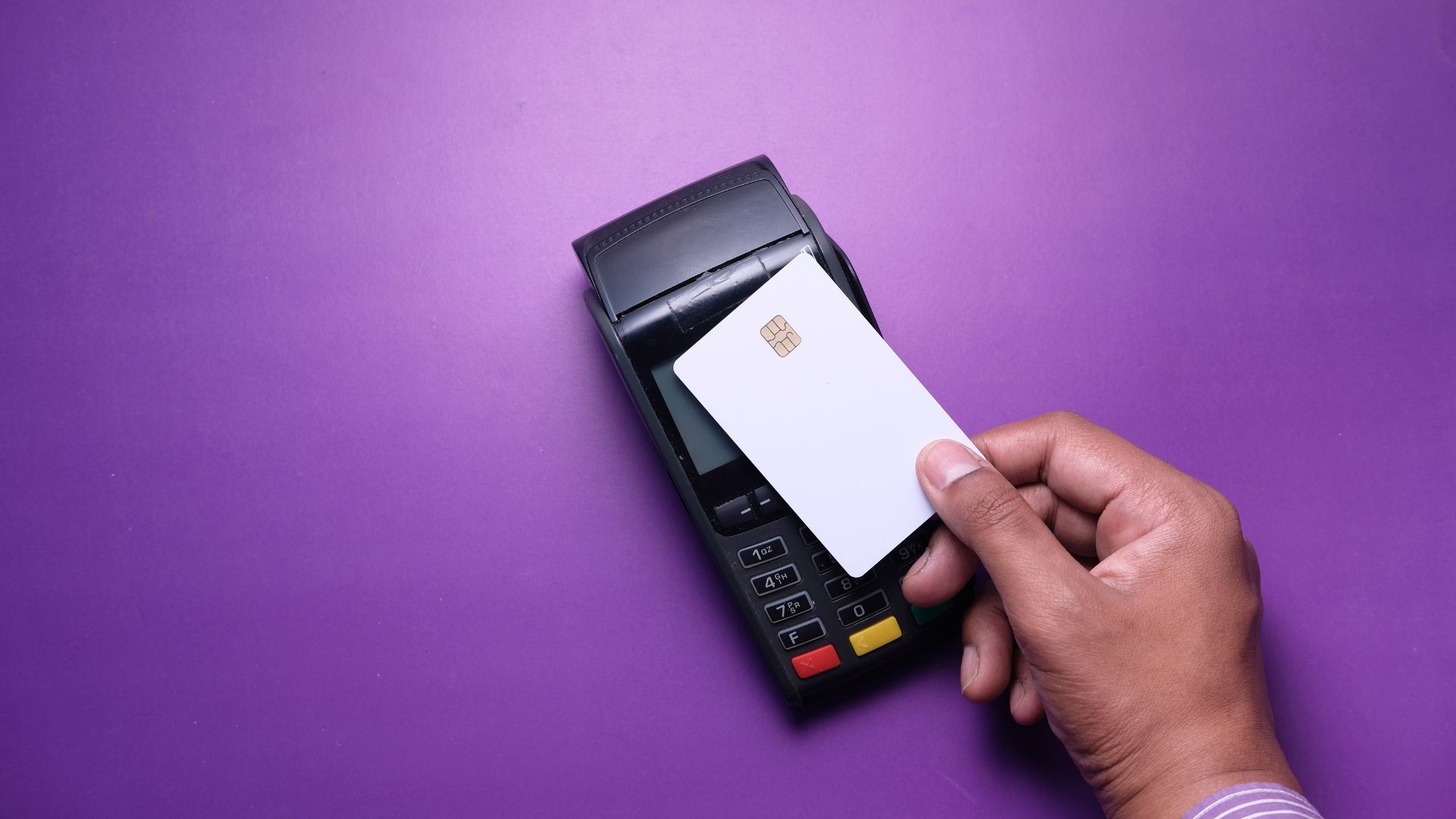
You should use virtual cards to shield your main account, speed checkout on flash drops, and enforce strict spend controls when buying gadgets in Korea. They create disposable card numbers, reduce fraud, and let you set per‑purchase limits or merchant‑specific reuse to simplify reconciliation. Check compatibility with Korean gateways (KCP, INICIS) and wallets like Kakao Pay or Toss, and configure expiry and auto‑release to avoid declines—keep going to see issuer options, fixes for declines, and a buying checklist.
Key Takeaways
- Use tokenized virtual cards (single-use or merchant-scoped) to mask real PANs for safer Korean online gadget purchases.
- Verify compatibility with local gateways (KCP, INICIS, Toss) and Korean e-wallets like Kakao Pay and Naver Pay.
- Prefer time-limited or single-use cards during flash sales or preorders to limit fraud and accidental recurring charges.
- Set strict per-card spend limits, expiry windows, and auto-release rules to control exposure and simplify reconciliation.
- Monitor issuer dashboards and enable real-time risk scoring, dynamic CVVs, and dispute documentation for faster fraud resolution.
What Is a Virtual Card and How It Works
A virtual card is a digital payment credential that replaces a physical card for online and remote transactions. It works by generating a unique card number, expiration date, and CVV that you can use immediately.
You’ll provision a virtual card through your bank or fintech app; tokenization and real-time issuance minimize exposure of your primary account. For purchasing gadgets, you’ll assign single-use or merchant-specific controls, set limits, and revoke credentials instantly if needed.
These practical virtual card benefits cut fraud risk, streamline reconciliation, and support programmable spend policies. As digital payment innovations evolve, APIs and integrations let you embed issuance into procurement workflows, enabling you to scale secure payments while maintaining visibility and granular control over every transaction.
Why Virtual Cards Matter for Korean Gadget Shoppers
If you buy gadgets online in Korea, virtual cards give you safer payments by masking your real card details and limiting fraud exposure.
They also make budget control simpler with single-use limits and easy tracking in your banking app.
Plus, many issuers now issue virtual cards that work seamlessly with local Korean merchants and payment platforms.
Safer Online Payments
Because online fraud targets high-volume gadget purchases and international payment rails, Korean shoppers need payment methods that isolate risk and simplify reconciliation.
You’ll find virtual cards enable secure transactions and strengthen digital privacy by tokenizing card details and limiting exposure to merchant breaches. They also streamline dispute workflows and reduce reconciliation noise for cross-border buys.
- Issue single-use or merchant-locked numbers to contain compromise.
- Enforce spend caps and expiration to limit liability on high-ticket items.
- Integrate tokenization with your wallet or procurement platform for auditability.
- Automate merchant validation and chargeback metadata to speed resolutions.
Adopting virtual cards gives you enterprise-grade controls without enterprise complexity, making online gadget buying measurably safer.
Easier Budget Control
When you assign virtual cards to projects, teams, or one-off purchases, you get precise, real-time control over who spends what and where—cutting budget overruns and manual reconciliation by design.
You’ll set limits, expiry dates, and merchant restrictions that prevent unexpected charges before they happen. That control feeds into granular budget tracking dashboards, so you can monitor commitments versus actuals by product line or campaign.
Automated expense categorization tags transactions instantly, reducing post-purchase cleanup and speeding month-end reporting.
For Korean gadget shoppers managing multiple device trials, supplier orders, or promotional buys, virtual cards let you forecast cash flow and enforce procurement rules without heavy ERP changes.
In short, they turn spending policy into executable controls, not just guidelines.
Local Card Compatibility
Although virtual cards operate on global rails, their value for Korean gadget shoppers comes down to local card compatibility: does the card get accepted by Korean e-commerce platforms, payment gateways, and overseas suppliers you rely on?
You need to evaluate local payment methods, fintech adoption rates, and consumer behavior trends to avoid declined transactions.
- Map regional card limitations against popular marketplaces to spot compatibility challenges.
- Test gateways (KCP, INICIS, Toss) for tokenization and foreign BIN handling to match online shopping preferences.
- Monitor tech shopping habits and merchant onboarding updates to anticipate rejection vectors and mitigate payment security concerns.
- Choose issuers with strong merchant networks and real-time support to bridge cross-border acceptance gaps.
Outsmarting the Subscriptions You Can’t Cancel
Some subscriptions are weirdly hard to quit, and they know it. A friend who’d fought a few of those battles puts them on a virtual card for recurring billing she controls outright. She named Card29 as her answer. When a service turns cancellation into a maze, she just caps or deletes the prepaid card and the charges die instantly—something a normal credit card can’t manage as cleanly. Holding the off-switch on your own VCC hands the power back to you.
One‑Time, Single‑Merchant, or Reusable: Which to Pick
You’ll choose one‑time cards when you want instant, disposable convenience for a single purchase.
Single‑merchant cards give you tight control over recurring vendor charges and reduce fraud exposure at specific suppliers.
Reusable cards trade some control for flexibility, letting you consolidate subscriptions and simplify reconciliation.
One‑Time Convenience
If you want the fastest path to secure, disposable payments, one‑time virtual cards are the go‑to: they’re issued for a single transaction, expire immediately, and eliminate merchant‑side data risk.
You’ll find one time transactions ideal when buying limited runs, preorders, or trial subscriptions in South Korea’s gadget market. They deliver temporary security without the overhead of account management.
- Speed — generate instantly at checkout; no provisioning delays.
- Risk reduction — card details vanish post‑authorization; fraud window closes.
- Tracking — isolate purchases for easy reconciliation and refunds.
- Limitations — not suited for recurring billing or loyalty integration.
Choose one‑time cards when you want minimal exposure and simple operational control; switch to other types only for repeat vendors or subscription needs.
Merchant‑Bound Control
When deciding between one‑time, single‑merchant, or reusable virtual cards, weigh control, operational friction, and vendor relationships to match risk appetite with procurement workflows.
You’ll choose one‑time cards when you need maximal fraud protection and simple reconciliation: they eliminate repeat charges and simplify transaction tracking, but they increase issuing overhead.
Single‑merchant cards suit recurring purchases from a preferred supplier; they balance control and convenience while respecting merchant preferences and limiting exposure to other vendors.
Reusable cards reduce admin work for frequent buys but require stricter policy enforcement and tighter monitoring to avoid scope creep.
Assess procurement volume, finance team capacity, and integration with expense platforms.
Pick the option that aligns merchant preferences, internal controls, and the level of transaction tracking you require.
Reusable Flexibility
Having weighed merchant‑bound control—one‑time for maximum fraud defense, single‑merchant for preferred suppliers, reusable for efficiency—you now need to match that choice to how flexible your teams must be.
You’ll pick based on transaction frequency, policy oversight, and reconciliation friction. Reusable cards deliver reusable benefits when teams buy repeatedly from the same vendors and you want lower issuance overhead; they enable flexible usage across projects while concentrating spend controls.
One‑time cards minimize exposure for one‑off purchases but add admin. Single‑merchant cards balance control and convenience for preferred suppliers.
- Evaluate purchase cadence and expected vendor repeat rates.
- Map approval workflows to reduce reconciliation effort.
- Quantify fraud risk tolerance versus operational cost.
- Pilot reusable cards on high‑repeat categories before scaling.
How Virtual Cards Protect Your Real Card During Launches
Because launches concentrate high-volume, unpredictable spend in short windows, virtual cards let you isolate that activity from your main corporate account and reduce fraud and overspend risk.
You can generate single-use or time-limited numbers tied to a budget line, so if a payment is intercepted or duplicated during a flash sale, your real card details stay untouched.
Security Measures like tokenization and per-transaction controls let you enforce merchant, amount, and timing constraints automatically.
For Korean tech buyers crafting Launch Strategies, that means you deploy dedicated cards per product drop, per vendor, or per campaign, simplifying reconciliation and dispute resolution.
You’ll cut liability, speed audits, and maintain procurement agility without exposing core accounts to launch-related volatility.
Korean Banks and Fintechs That Issue Virtual Cards
After you’ve set up launch-specific virtual cards, the next practical step is choosing providers that fit Korea’s payments landscape and your procurement workflows. You’ll evaluate incumbent banks and nimble fintechs by pricing, integration APIs, merchant acceptance, and compliance support.
Consider how digital banking trends and fintech innovations shape each option’s roadmap.
- Major banks: broad merchant reach, strong compliance, slower rollout cycles.
- Neobanks: fast APIs, competitive fees, limited corporate features.
- Card issuers with tokenization: superior security, seamless mobile wallet support.
- Embedded-fintech platforms: customizable controls, rapid integration for procurement stacks.
You should map provider benefits to launch needs—scalability, reconciliation, and risk controls—then pilot before full adoption.
Set Spending Limits and Expiry for Pre‑Orders and Launches
When you manage pre-orders and product launches, assign strict spend limits to each virtual card so suppliers can’t exceed agreed amounts.
Use fixed expiry windows that match release timelines to prevent open authorizations after launch, and configure cards to auto-release remaining funds or cancel holds once orders fulfill.
These controls reduce fraud risk, simplify reconciliation, and keep cash flow predictable during high-volume events.
Set Clear Spend Limits
If you’re running pre-orders or coordinating a product launch, set explicit spend caps and expiration dates on virtual cards so finance can control cash flow and reduce chargebacks.
You’ll enforce spending discipline and boost budget awareness by defining limits per SKU, vendor, team, and campaign. Use data to size caps against forecasted orders and buffer for refunds.
- Set per-transaction and aggregate card caps tied to forecasts.
- Assign card owners and automated alerts for threshold breaches.
- Link caps to specific vendors and launch timelines.
- Require pre-approval workflows for cap adjustments.
These controls let you scale launches without surprise liabilities, simplify reconciliations, and provide auditors clear trails.
You’ll reduce fraud exposure and keep product rollouts predictable.
Fixed Expiry Windows
Three- to six-week fixed expiry windows on virtual cards give you predictable spend horizons for pre-orders and launches, letting finance close out obligations, reconcile receipts, and limit lingering liabilities.
You’ll assign card expiries tied to product launch cycles, so suppliers can’t draw beyond agreed timelines and accounting can match charges to campaign periods.
Implement expiry management strategies that segment pre-orders, inventory deposits, and launch marketing into distinct windows to reduce dispute risk.
For time sensitive purchases, enforce card-level expiry and single-use caps, then audit expiries weekly to catch exceptions and reauthorizations.
That controlled cadence improves cash flow forecasting, shortens reconciliation loops, and creates governance around vendor commitments without introducing operational friction at checkout.
Auto‑Release For Preorders
Because pre-orders and launches tie cash flow to future fulfillment, you should set card-level spending limits and timed expiries that auto-release unused funds back to treasury, preventing stray authorizations and reducing reserve burdens.
You’ll gain auto release benefits and clearer working capital forecasting when virtual cards enforce rules per SKU, batch, or vendor.
- Define spend ceilings per preorder batch to cap exposure and align with preorder strategies.
- Set expiry windows matching expected ship dates plus buffer to avoid false declines.
- Configure automatic release triggers for cancellations, returns, or missed ship windows to free reserves.
- Monitor and adjust limits via dashboards to reflect sell-through, supplier reliability, and cash priorities.
These controls cut reserve drag, simplify reconciliations, and support disciplined preorder strategies for Korean gadget procurement.
Use Virtual Cards to Manage Device Subscriptions
When you assign virtual cards to device subscriptions, you get precise control over recurring charges and can instantly revoke or rotate payment credentials without touching the devices themselves.
You’ll centralize subscription management per device, per user, or per project, so billing lines stay auditable and predictable. Use virtual budgeting to allocate monthly caps and categorize spend by service type—cloud backup, app stores, connectivity—so overruns trigger alerts rather than surprises.
Rotate numbers periodically to reduce fraud exposure and terminate compromised cards instantly to stop unauthorized renewals. Integrate card metadata with your expense platform and reconcile charges automatically to shorten dispute cycles.
For procurement and IT teams in Korea, this approach tightens control, preserves device uptime, and simplifies vendor negotiations.
Buy Flash Sales Fast With Instant Virtual Cards
Flash sales move fast, and instant virtual cards give you the speed and control to capitalize without exposing corporate credentials.
You’ll get instant gratification while preserving procurement rules and spend limits, so purchasing high-demand gadgets during short windows won’t open security gaps.
Use tokens that expire, set merchant-specific controls, and monitor transactions in real time to maintain compliance.
- Generate a single-use virtual card for the deal to limit exposure.
- Pre-authorize spend limits to prevent budget overruns during bidding frenzies.
- Tie cards to project codes so reconciliation stays automated.
- Use real-time alerts and analytics to verify fulfillment and detect anomalies.
This workflow balances rapid execution with corporate governance for savvy tech buyers.
Link Virtual Cards to Korean E‑Wallets and Mobile Pay Apps
You’ll want to prioritize native Korean e-wallet integration so your virtual cards appear as first-class payment options across local platforms like Kakao Pay and Naver Pay.
Make sure tokenization is implemented end-to-end to keep mobile pay credentials secure while preserving one-tap approval flows.
Streamline onboarding in the app with clear UX and automated provisioning so employees can add and use cards without IT handholding.
Korean E‑Wallet Integration
Because South Korea leads in mobile payments and proprietary e‑wallet ecosystems, linking virtual cards to local mobile pay apps is essential for anyone buying tech there.
You’ll navigate Korean e wallets shaped by digital payment trends and consumer preferences, so your virtual card strategy must address mobile transaction security and fintech innovations.
Consider integration points, regulatory compliance, and online shopping habits to optimize conversions and user experience improvements without adding friction.
- Assess compatibility with major wallet providers and app APIs.
- Map fraud controls and authentication flows to reduce chargebacks.
- Measure UX impact on checkout speed, retention, and abandonment.
- Identify payment integration challenges and prioritize scalable solutions.
Adopt an iterative approach, testing metrics and vendor partnerships before full rollout.
Mobile Pay Tokenization
When linking virtual cards to Korean e‑wallets and mobile pay apps, prioritize tokenization schemes that align with local wallets’ API models and regulatory expectations so you can secure transactions without degrading UX.
You’ll evaluate network tokenization, device-bound tokens, and host card emulation approaches against Korean certification and data residency rules. Focus on tokenization benefits: reduced PAN exposure, scoped-use tokens, and simplified revocation tied to merchant or amount.
Implement strong lifecycle management—provisioning, rotation, compromise response—so tokens remain auditable and replaceable. For mobile security, integrate hardware-backed keystores and biometric gating to bind tokens to user devices and sessions.
Monitor token usage with real-time analytics and fraud scoring, and coordinate with wallet providers for token provisioning APIs to ensure smooth, compliant flow.
Seamless App Onboarding
If you want Korean users to adopt virtual cards quickly, make onboarding feel native to each wallet by mapping your provisioning flows to local e‑wallet APIs, certification steps, and UX patterns.
You’ll optimize user experience and onboarding speed by aligning design simplicity with platform conventions and minimizing friction from integration challenges. Include tutorial guidance and progressive feature discovery so users learn value without leaving the app.
- Map APIs and certification to reduce integration challenges and speed approval.
- Prioritize app accessibility and clear onboarding metrics to track dropoffs.
- Use concise tutorial guidance and microcopy for feature discovery and retention.
- Collect customer feedback loops to iterate on design simplicity and boost user retention.
Measure onboarding speed, conversion, and NPS to guide improvements.
Pay In‑Store: QR, NFC, and Virtual‑Card Workflows
As in-app payment options dominated e‑commerce, in‑store mobile payments have matured into three practical workflows—QR codes, NFC taps, and virtual‑card emulation—each balancing acceptance, security, and integration complexity.
You’ll evaluate QR Payments for ubiquity and low terminal cost, NFC Technology for instant Contactless Transactions and smoother UX, and Digital Wallets as the orchestration layer that maps virtual cards to POS flows.
Consider Payment Security: tokenization, EMV standards, and backend authorization latency. Align choices with Shopping Trends and Tech Innovations—streamlined checkout increases conversion but requires merchant onboarding.
Monitor Consumer Behavior metrics (retry rates, abandoned purchases) to tune risk thresholds and user prompts. Implementing the right mix lets you optimize coverage, reduce friction, and protect high‑value purchases without sacrificing speed.
Prevent Fraud, Disputes, and Chargebacks on High‑Value Buys
Mobile in-store payments cut friction, but they also raise the stakes for high-value transactions where fraud, disputes, and chargebacks carry outsized costs.
You’ll need targeted fraud prevention strategies and disciplined chargeback management to protect margins and customer trust. Implement tokenized virtual cards, dynamic CVV, and merchant whitelisting so single-use credentials limit exposure.
Combine real-time risk scoring with device and behavioral signals to flag anomalies before settlement. Keep documentation and clear receipts to speed dispute resolution and reduce chargeback wins for fraudsters.
Train frontline staff on verification for expensive items and require manager approval thresholds. Monitor issuer dashboards for dispute trends and update rulesets regularly.
- Tokenization and dynamic CVV
- Real-time risk scoring
- Clear transaction evidence
- Approval thresholds and monitoring
Manage Family and Team Purchases With Shared Virtual Cards
When you need to streamline expenses across relatives or project teams, shared virtual cards give you centralized control without sacrificing flexibility. You can set per-card limits, merchant restrictions, and expiration windows to enforce family budgeting rules or project spend policies.
For shared purchases, assign cards to specific tasks—subscriptions, accessories, test units—and revoke access instantly if misuse appears. Team collaboration improves because members charge directly to allocated cards, reducing reimbursement cycles and clarifying responsibility.
Real-time expense tracking consolidates receipts, tags, and VAT data into dashboards so you spot trends and reconcile faster. Choose providers offering role-based permissions, audit logs, and API access to integrate card activity with accounting systems.
That reduces manual work and tightens financial governance for households and teams.
Fees, FX, and Exchange Rates for International Gadget Buys
Because international gadget purchases often cross currencies and fee schedules, you need to treat FX and ancillary charges as part of unit cost, not an afterthought.
You’ll compare issuers’ fees structure and how providers apply currency conversion margins to get true landed cost. Focus on predictable pricing, not just headline rates.
- Check issuer disclosure: identify flat fees, percentage surcharges, and dynamic currency conversion traps.
- Benchmark mid‑market rate gaps: measure the currency conversion margin against interbank references at purchase time.
- Factor cross‑border fees: include issuer, network, and merchant routing differences that change total cost.
- Use virtual‑card controls: lock billing currency or issue single‑use cards denominated in seller currency to minimize surprises.
Fix Failed Virtual‑Card Payments and Merchant Declines
If a virtual‑card charge fails or a merchant declines your payment, diagnose the root cause quickly so you can recover the sale or avoid repeat failures.
Start by categorizing failed transactions: network declines, merchant errors, mismatched billing details, or virtual card policies blocking the merchant.
Use concise troubleshooting tips: confirm expiration/CVV, match billing address, retry via alternate payment gateway, and check merchant integration logs if available.
Track user experiences to spot patterns tied to specific merchants or gateways.
Escalate persistent payment issues to customer support with transaction IDs, timestamps, and error codes for faster error resolutions.
Apply tech solutions like tokenization, dynamic limits, and real‑time monitoring to reduce declines.
Document fixes to refine policies and minimize future merchant declines.
Korea Privacy and Data Rules That Affect Virtual Cards
Although South Korea’s Personal Information Protection Act (PIPA) has been amended repeatedly, you still must treat cardholder data, tokenization keys, and transaction metadata as highly regulated assets.
PIPA, the Credit Information Use and Protection Act (CIUPA), and industry-specific guidance impose strict consent, purpose‑limitation, and retention rules that directly affect how virtual‑card providers collect, store, and share payment data.
You’ll need to balance data protection and transaction security while honoring consumer rights and financial transparency.
- Map data flows to show how digital identity and payment tokens move.
- Limit retention and get explicit consent for secondary uses.
- Apply encryption, tokenization, and access controls for regulatory compliance.
- Boost user awareness via clear notices and breach reporting.
Address privacy concerns proactively to reduce legal risk and build trust.
Checklist: Buying Limited‑Edition Tech With Virtual Cards
Want to score a limited‑edition gadget without exposing your primary accounts? Use a virtual card checklist to protect funds, streamline checkout, and improve success on high‑demand drops.
First, preload an appropriate limit aligned with price plus taxes and shipping; avoid declines from underfunding.
Second, set card expiry and single‑use flags for one‑time drops to reduce fraud risk.
Third, register matching billing details and contact info to reduce AVS mismatches with retailer systems.
Fourth, monitor region locks and currency conversion fees common with tech exclusives; pick a card that minimizes FX surprises.
Fifth, keep authentication (3DS) enabled and test on small purchases beforehand.
Finally, document order IDs and card references for rapid dispute resolution if issues arise.
Virtual Cards vs Prepaid vs Physical Cards for Gadget Shoppers
You’ve already seen how virtual cards can tighten security and streamline high‑demand checkouts; now weigh them against prepaid and physical cards to pick the right tool for a gadget drop.
You’ll use online shopping trends and tech buyer preferences to decide: virtual cards benefits include tokenized numbers, spend controls, and reduced fraud risk; prepaid card limitations show up with reload friction and weaker dispute paths; physical card security depends on chip/PIN and issuer protections but exposes you to skimming and loss.
- Speed: virtual cards often win high‑traffic drops.
- Control: virtual cards benefits vs prepaid card limitations in per‑transaction caps.
- Recovery: physical card security offers established dispute workflows.
- Flexibility: prepaid suits gifting, less so for complex gadget purchase strategies.
Final words
Think of a virtual card as a silent shield: a digital chameleon that masks your real account while you hunt limited drops. For Korean gadget shoppers, it’s the compact toolbox—one‑time bolts for flash sales, reusable hinges for regular buys—that reduces fraud, merchant exposure, and checkout friction. Match card type to risk, confirm issuer limits, and keep dispute docs ready. In practice, the virtual card turns high‑stakes launches into controlled, measurable operations.
Leave a Reply